Bhimbetka Cave Paintings Pdf Converter
Cave Paintings of India Posted by Nitin Kumar on Dec 16. Bhimbetka Rocks Paintings. I.e., 12 years before the discovery of the famous cave of Altamira. The galleries of rock paintings at Bhimbetka (220.55'-220.56' N-770.36'-770.37' E) in. Painting: A Survey Painting, citra. Bhimbetka drawings and paintings can be classified under different.
Bhimbetka Cave Paintings
Those are the ones with compatibility issues, if you've found one you'll start by selecting the category name then right click and selecting 'Deep copy as override into.' Now go to the bottom mod on the list then expand it if there are no red to orange rows or columns skip to next mod on top of that then look for those red or orange rows or columns. First open up FNVEdit and press ok when it prompts you with a box will all of your mods selected. When the dialogue box apprears click yes then scroll down to this is where all your change should be made, you may name this file as patch, fix or any to your liking.Then select that file it'll be the last file on your list of mods, expand it and click on the 'View' tab next to Messages and Information. Fo4 mod load order.
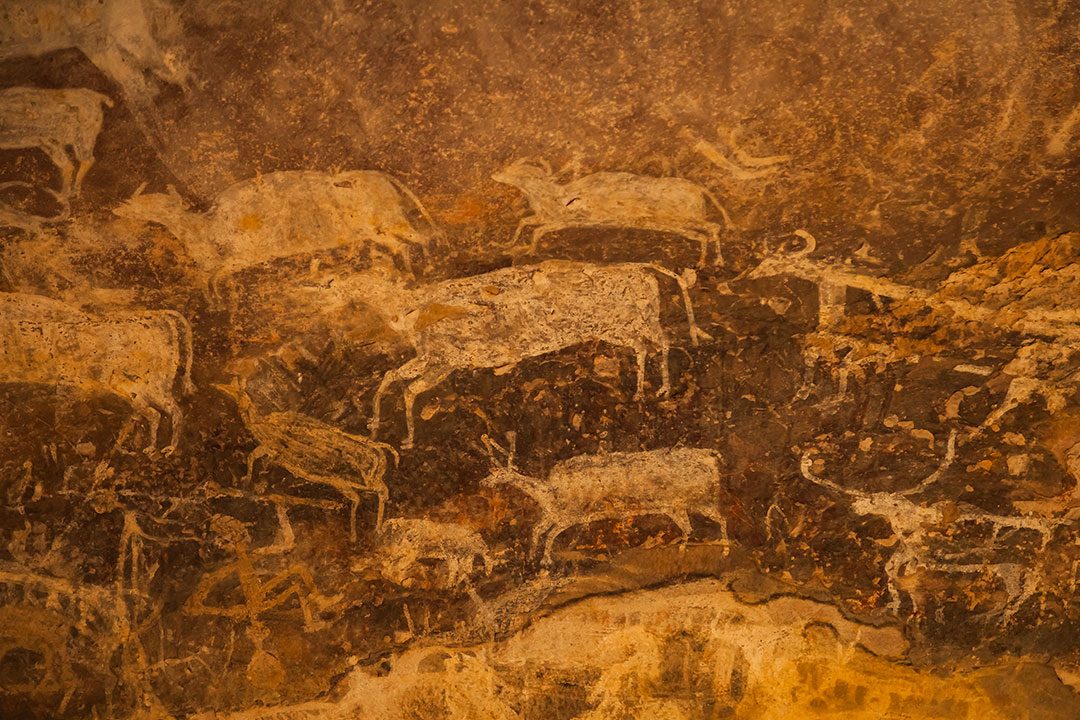
Caves spread across Bhimbetka's vast expanse have paintings that reveal secrets of some of our earliest ancestors.
In fact, Bhimbetka has been a witness to a part of the human evolution - something very few heritage sites around the world can pride on. Of the 760 caves, 500 have paintings. These paintings are completely diverse in nature as the caves have been around for millennia.

The oldest paintings have larger figures, with just outline of animal or person, and attention on scenes of everyday life. The newer ones have smaller but elaborate figures, with religious motives, and the outline is filled with colour and details.
(TrashMan)-30.png "Pokemon roms")
Some of these paintings are reported to be as old as 15,000 years. But new research hints that there are paintings which are 30,000 years old!
This older than time treasure, unfortunately, was discovered very late. In 1957, to be specific, by Dr. Vishnu Wakankar. And they earned the honour of UNESCO World Heritage Site in 2003. Very late, but absolutely deserving.